Dead Branch Pruning in Deltona, FL: Spotting Storm Hazards Before They Fall
QUICK ANSWER: Dead branch pruning is the removal of wood that has stopped growing but is still attached to a living tree, and it is one of the most reliable ways to reduce storm damage on a Deltona property. Deltona's canopy is dominated by laurel oak, live oak, and pine, all of which shed interior deadwood as they mature, and that deadwood is frequently hidden behind healthy leaf cover until a storm exposes it. A trained crew identifies dead limbs by bark condition, brittleness, and the absence of live buds, then removes them with cuts placed at the branch collar so the tree can seal the wound properly.
Deltona was built around its tree canopy, not in spite of it. Many of the city's older neighborhoods, platted in the 1960s along the lakes and canals that give the area its name, were developed around mature stands of laurel oak, live oak, and slash pine that were already decades old when the first homes went up. That canopy is a defining feature of the community, and it is also the reason dead branch pruning matters more here than it does in newer, less wooded parts of Central Florida.
Why Dead Wood Is Different From a Weak Branch
A living branch that is poorly attached, crossing another limb, or growing at a bad angle is a structural concern. A dead branch is a different problem entirely. Once a limb dies, it stops producing the compartmentalized wood that helps a tree seal off damage and resist decay at the point of attachment. The connection between a dead branch and the trunk weakens over time as the surrounding bark dries and the wood becomes brittle, and there is no biological process working to reinforce that joint the way there would be on a living limb. That is part of why dead branches fail with so little warning. A live branch under stress often shows some flex before it breaks. A dead branch simply lets go.
Bark And Color Changes
Dead wood on species common in Deltona typically shows dry, cracking, or sloughing bark, along with a gray or brittle appearance that contrasts with the surrounding living wood.
No Leaf-Out During The Growing Season
A branch that stays bare while the rest of the canopy fills in is one of the clearest signs available to a property owner without climbing equipment.
Fungal Growth Or Bark Beetle Activity
Shelf fungus, dark staining, and small boring holes concentrated on one section of a limb often point to wood that has already died and started to decay from the inside.
Brittle Snap Instead Of Bend
A small dead twig tested by hand will usually snap cleanly, while living wood on the same tree bends before it breaks.
Where Deadwood Hides in a Mature Canopy
Laurel oaks, which make up a large share of Deltona's older street trees, are known among arborists for retaining interior deadwood even while the outer canopy looks full and green. The dense secondary growth on a mature laurel oak can hide dead limbs low in the crown or deep in the interior where they are not visible from the ground. Live oaks tend to hold deadwood in a similar way as lower limbs lose sunlight to the canopy above and gradually die back without dropping. Pines behave differently. Dead pine limbs are often more visible because pine canopies are thinner, but pine wood is also more likely to fail as a large section rather than a single branch, which raises the stakes when a dead limb sits over a driveway, a roofline, or a dock along one of Deltona's many lakes.
This is one of the reasons an assessment from the ground is not always enough. A crew trained in dead branch pruning looks at canopy density, branch position relative to the trunk, and the pattern of dieback across the whole tree, not just the limbs that are easiest to see from the yard.
The Removal Process
Dead branch pruning follows a different technical standard than live branch pruning because there is no live tissue to protect at the cut. Cuts are still placed just outside the branch collar, the slightly raised area where a branch meets the trunk or a larger limb, because that location gives the tree the best chance to compartmentalize the wound even though the branch itself was already dead. Flush cuts, which remove the collar along with the branch, are avoided because they expose a larger wound surface and slow the tree's ability to close it off.
Assessment First
Every dead branch pruning project starts with identifying which limbs are dead, which are declining, and which are simply dormant or shaded, since removing living wood unnecessarily works against the tree's long-term health.
Rigging For Larger Limbs
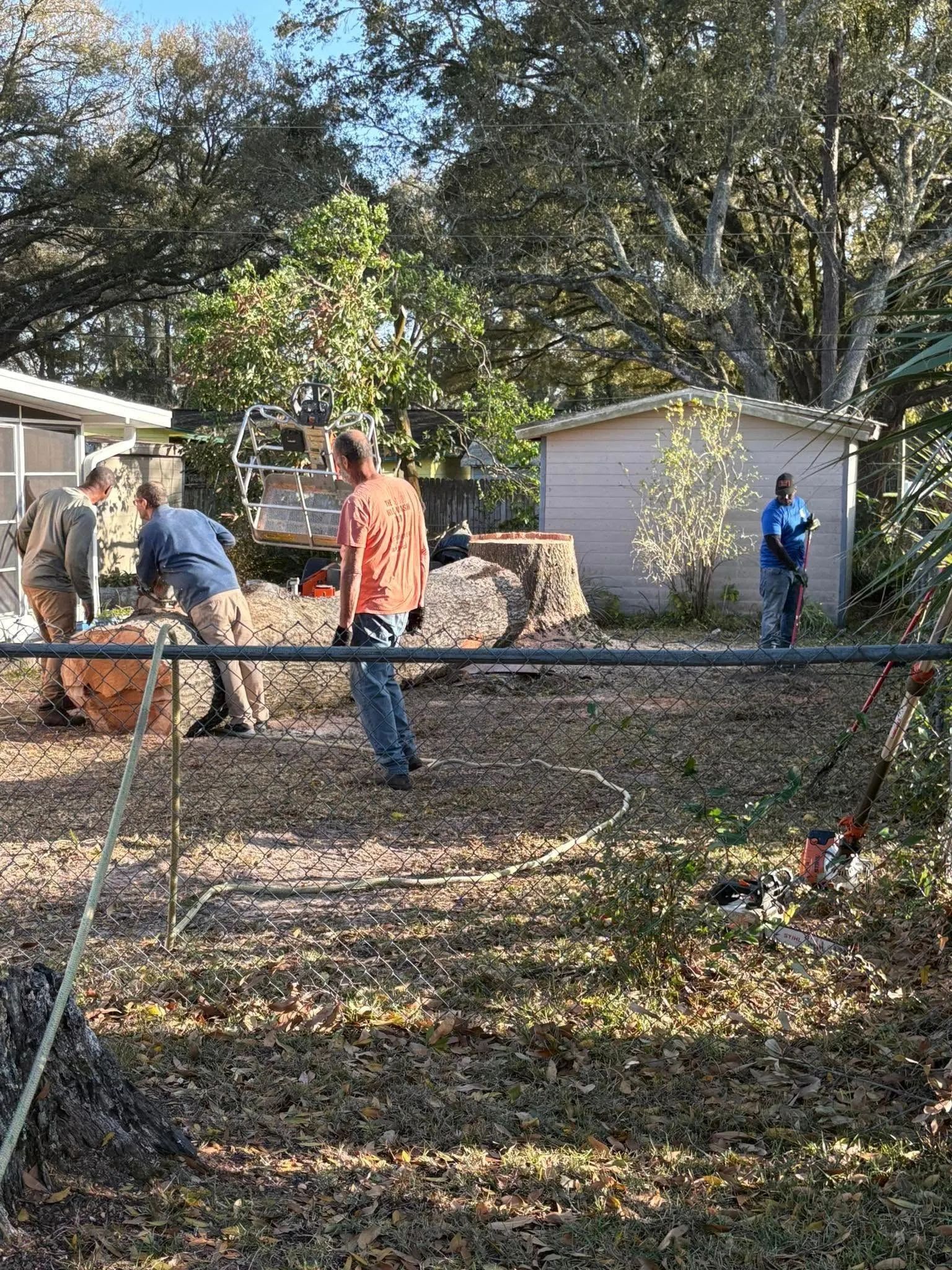
Dead limbs over a certain size or positioned above a structure, vehicle, or walkway are lowered with rope and rigging equipment rather than dropped, which limits impact to the tree, the ground beneath it, and anything nearby.
Clean, Complete Removal
Partial removal of a dead limb, leaving a stub behind, creates a wound that is harder for the tree to seal and often becomes a point of entry for decay. A full removal back to the collar gives the tree the cleanest possible healing surface.
Debris Cleared Same-Day
Dead wood removed from a canopy is hauled away rather than left on the property, since dead limbs on the ground can hold moisture against turf and create habitat for pests close to the house.
TIP: Deadwood is easiest to spot in Florida during the peak growing months of late spring and summer, when live branches are fully leafed out and dead ones stand out by comparison. That makes early summer, ahead of the most active stretch of hurricane season, a practical window for a canopy check.
Timing Around Central Florida's Wind Season
Central Florida's wind season runs from June through November, and dead limbs that would otherwise sit quietly in a canopy for years become active hazards once sustained wind and heavy rain start testing every weak point in a tree. Removing dead wood ahead of that stretch does not make a tree storm-proof, but it does eliminate the failure points that require the least amount of wind to come down. A dead branch hanging over a roof, a pool cage, or a parked car carries a different level of concern than the same branch hanging over open lawn, and that context shapes how a pruning plan gets prioritized across a property with multiple mature trees.
Frequently Asked Questions
How can I tell if a branch is dead versus just dormant?
Dormant branches on deciduous species still have live buds and flexible outer growth even without leaves, while dead branches are brittle throughout, show dry or sloughing bark, and produce no new growth once the surrounding canopy leafs out for the season. If a branch stayed bare through an entire growing season while the rest of the tree filled in normally, it is very likely dead rather than dormant.
Does removing dead branches hurt the tree?
No. Dead wood is no longer part of the tree's living system, so removing it does not affect the tree's ability to photosynthesize or grow. In most cases dead branch removal benefits the tree by eliminating decay pathways that can spread from dead tissue into adjacent living wood if the deadwood is left in place indefinitely.
How often does a mature tree need to be checked for deadwood?
Species like laurel oak that are known for hiding interior deadwood benefit from a canopy check every couple of years, while trees with a documented history of storm damage, disease, or dieback may need more frequent attention. A property with several mature trees over structures or high-traffic areas is generally worth checking annually, ideally before the start of wind season.
Is dead branch pruning different from regular tree trimming?
Yes. Trimming generally addresses overall shape, size, and overgrowth, while dead branch pruning targets specific wood that has already died and requires precise cuts at the branch collar to protect the tree's ability to heal. A tree can look fully trimmed and still be carrying dangerous deadwood the trimming process was never meant to identify.
Can a small dead branch really cause damage when it falls?
Size matters less than most people expect. Even a limb a few inches in diameter can crack a windshield, damage a roof, or injure someone if it falls from height during high wind, and dead wood falls with far less warning than a living branch under similar stress. That unpredictability is the main reason dead branch pruning is treated as a safety measure rather than a cosmetic one.
Do you remove deadwood from the top of the canopy or just what's reachable from the ground?
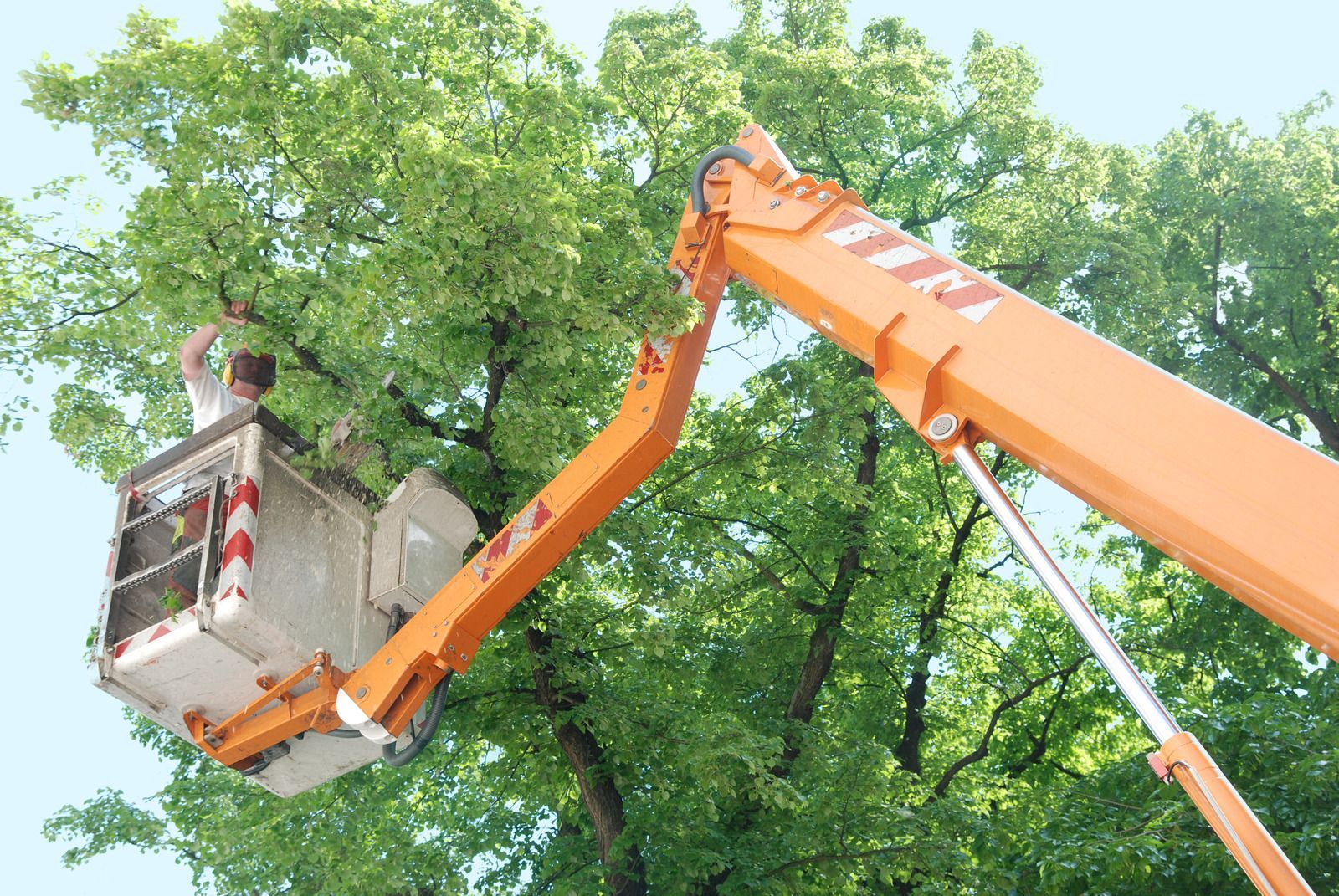
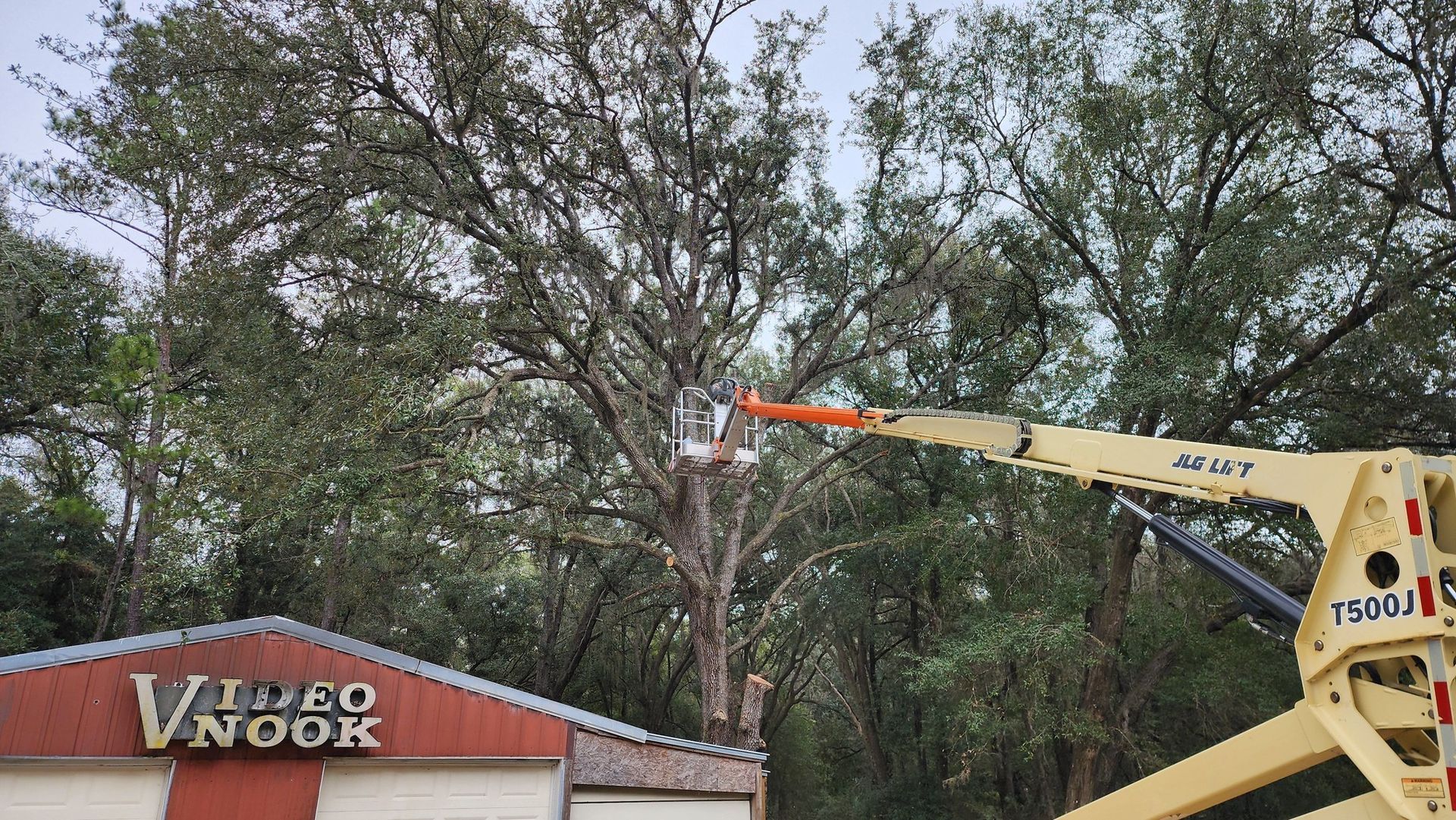
Full dead branch pruning addresses deadwood throughout the entire canopy, including sections high in mature laurel oaks, live oaks, and pines that are not visible or reachable without lift equipment or climbing gear. Ground-level assessments alone routinely miss deadwood concentrated in the upper crown, which is often where the highest-risk material is located.
Why Deadwood Removal Counts As Real Prevention
Storms in Central Florida do not create weak wood, they only reveal it. The branches most likely to come down during a summer squall were often already dead months earlier, hidden behind healthy leaves until wind stripped that cover away. Tree Pros + Odds & Ends, working across Deltona, FL for 15 years, treats deadwood removal as a scheduled part of tree care rather than storm-season scrambling. That habit is what keeps a mature canopy from turning into a liability during wind season.
Laurel oaks, live oaks, and pines each hide dead wood differently, which is why a canopy check works better as a habit than a one-time fix. Interior deadwood in a laurel oak can sit unnoticed for seasons, and a single missed limb over a roofline or a parked car carries real consequence once wind picks up. Regular inspection catches what a quick glance from the yard misses, and that steady attention is what keeps a wooded property standing through Florida's toughest months.
Recent Posts